Celebrating 1 December, Romania’s Day

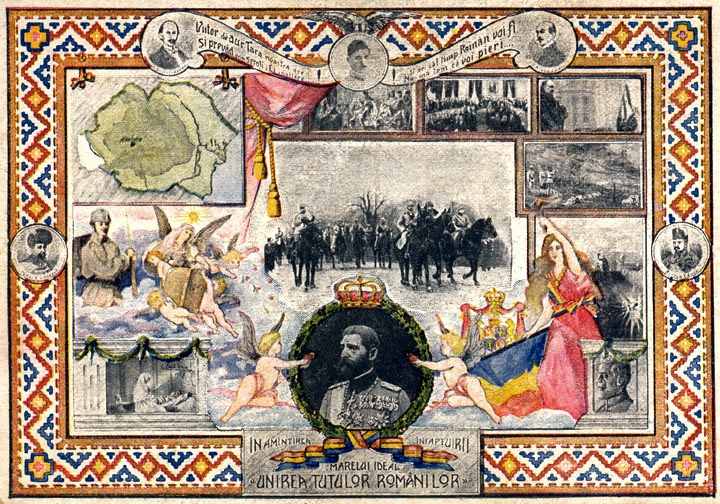
Most people know December 1 as Romania’s National Day. Fewer know the story behind it; it is one of war, collapse, hope, but mostly of the determined will of ordinary people.

Every year, on the first morning of December, when villages wake under frost and the rooftops shine like glass, I find myself thinking back to a moment when Romania reinvented itself.

A little more than a century ago, in 1918, a handful of historic provinces decided they wished to speak with one voice. Their choice reshaped a country, Romania, but also the map of Eastern Europe and the future of millions.

Most people know December 1 as Romania’s National Day. Fewer know the story behind it; it is one of war, collapse, hope, but mostly of the determined will of ordinary people.

Continue reading “Celebrating 1 December, Romania’s Day”
Daring Queens and Their Surprising Influences in Medieval Romania

Elisabeta Regina Romaniei Peles statue queen

The great halls of Wallachia’s courts echoed with the deep voices of rulers, their boyars and foreign envoys hammering out treaties, forging alliances and, more often than not, deciding the fates of women before they were old enough to understand their worth beyond the ink of a marriage contract. In Moldavia, daughters of noble houses were bartered like fine silks, their marriages securing fragile truces with the Poles, the Hungarians, the upcoming Russians and even Sultans. In Transylvania, a land where Saxon merchants, Székelys warriors and Hungarian lords vied for influence, the Romanians or Vlachs out of the way, noblewomen walked a careful line between tradition and opportunity, sometimes inheriting estates or trading privileges—but always within the confines set by men.

Continue reading “Daring Queens and Their Surprising Influences in Medieval Romania”