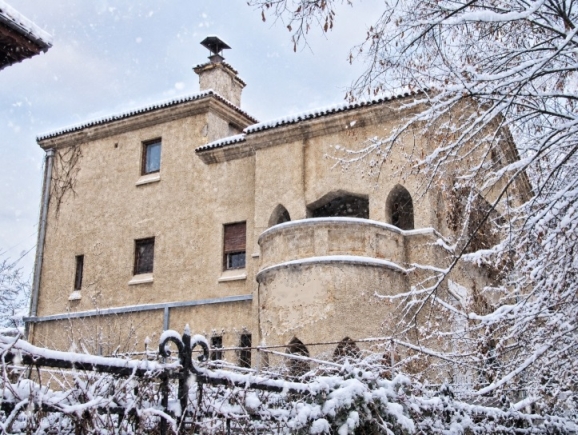
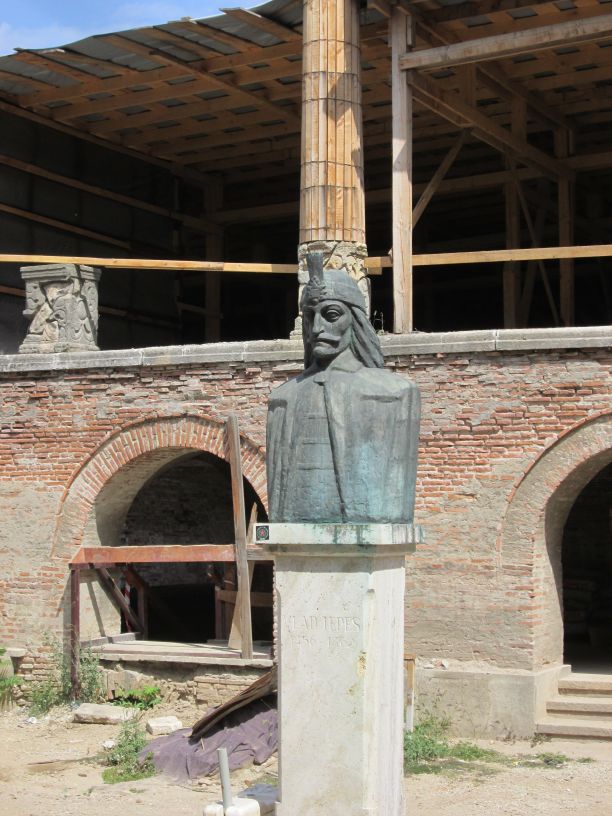
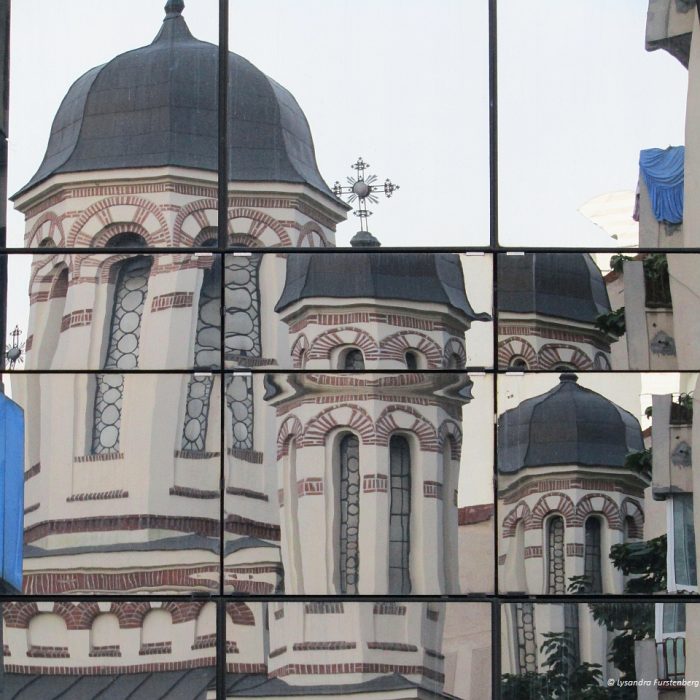
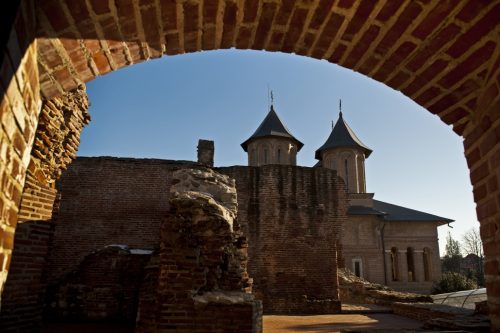
Where Did Vlad the Impaler Live? Part 1: Sighișoara, Târgoviște, Gallipoli, and Eğrigöz

Following young Vlad Dracula through 15th century Transylvania and Wallachia to: Sighișoara, Târgoviște, Gallipoli and Eğrigöz.

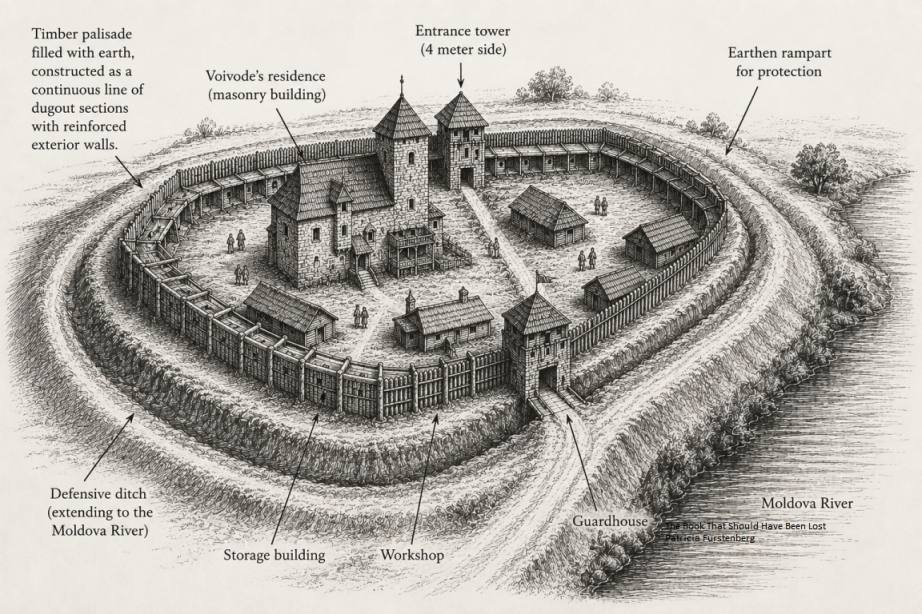
When we picture Vlad the Impaler, or Vlad Dracula, we tend to picture him in a castle: dark stone, narrow windows, a throne, perhaps the mountains rising behind him. Vlad did not spend his life in one castle, one principality, or even one political world. Not even on one continent.

To follow Vlad’s life is to follow a landscape of shifting power: Târgoviște, the princely capital; Transylvania and its fortified towns; the roads crossing the Carpathians; the Ottoman world where he was held hostage; the Hungarian royal court; and, eventually, the battlefields and forests through which he fought his way, always back to Wallachia.

Each left something behind: a language, an allegiance, a military lesson, a memory of captivity, or an enemy who would later become an ally.

Continue reading “Where Did Vlad the Impaler Live? Part 1: Sighișoara, Târgoviște, Gallipoli, and Eğrigöz”

Real Places in Historical Fiction: Brașov in When Secrets Bloom

Biserica Neagra Brasov si Piata Honterus in fictiune istorica

There are cities in Transylvania that do not simply sit on the map, they remember. They carry the sediment of centuries like bark around an old trunk. Brașov, know as Corona or Kronstadt in medieval times, is one of those places. In When Secrets Bloom Brașov does appear only as a backdrop. It breathes. It resists. It watches.

Because to write about a place is to write against forgetting.

Readers will discover Brașov as a setting in my story Kate’s Letter featured in our historical fiction anthology Courage: Tales of History, Mystery and Hope.

Continue reading “Real Places in Historical Fiction: Brașov in When Secrets Bloom”

The White Wolf Ancestry of Romans, Genghis Khan, Turks, and Dacians

Rome, the Capitoline She-Wolf with Romulus and Remus, photographed by my daughter Lysandra Furstenberg

There are stories that refuse to stay in one place. They move through empires and forests, from the hills of Rome to the endless grasslands of the steppe, carried not in stone, but in memory and blood. Again and again, across distant peoples, the same figure appears: not crowned, not tamed, but wild: the wolf.

From the White Wolf and the Lupercal cave in Rome, to the wolfish-blood origin of the Mongols, the She-Wolf Asena ancestry of the Turks and, of course, to the fearless Zalmoxis and the Great White Wolf of the Dacians let’s follow the wolf.

Continue reading “The White Wolf Ancestry of Romans, Genghis Khan, Turks, and Dacians”