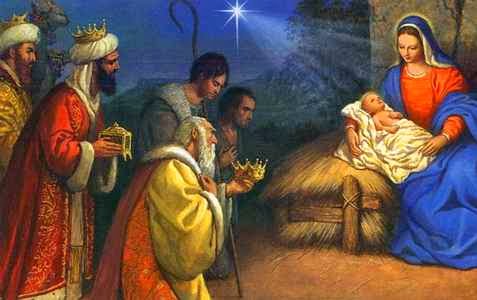
Between 1 and 25 December enjoy on my blog, all free on this page, my Christmas gift: an Advent Calendar of riddles leading you to Romanian winter legends, first snow songs, and recipes to a seasonal dish to feast on! May your Christmas be Merry and your winter full of peace!
Continue reading “Your Christmas Gift, an Unique Advent Calendar of Romanian Winter Legends, Snow Songs & Feast”Chasing Dracula at Tihuța Pass, Between Fiction and the Carpathians
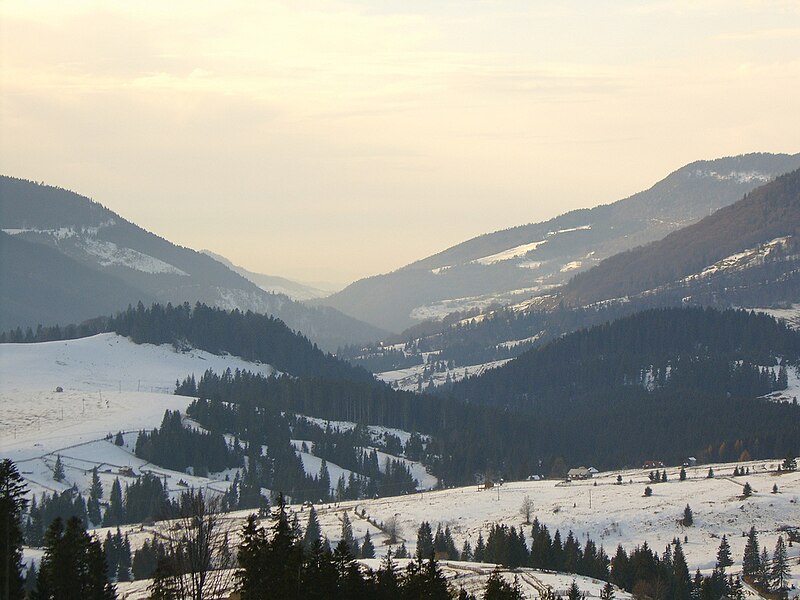
Chasing Dracula at Tihuța Pass, one Saint Andrew’s Eve when the wolves are said to speak and the living seal their doors with garlic, I strode that winding road. Between Fiction and the Carpathians was born there, where the veil thins and the line between myth and memory fades.
Continue reading “Chasing Dracula at Tihuța Pass, Between Fiction and the Carpathians”The Night of Returning Souls, It’s All Saints’ Night
On All Saints’ Night, when the veil between the living and the dead grows thin, I return through story to my Transylvanian roots. The Night of Returning Souls, written for Romania Insider is my take on the folklore and ghostly legends that haunt October.
Continue reading “The Night of Returning Souls, It’s All Saints’ Night”Sound Transylvanian Superstitions and Why We Still Believe in Old Magic
When it comes to superstitions, especially Transylvanian superstitions, even the most rational among us have whispered “touch wood” or avoided walking under a ladder. I know I have. Such old magic and weird beliefs have long offered humans a sense of control over a world that often feels cruelly unpredictable.
Superstitions are more than quirky cultural relics; they are the soul’s attempt to impose meaning on chaos. This is evident in Romania, particularly Transylvania, where the supernatural and the sacred have long shared the same threshold. While the Western world flinches at black cats and the number 13, in Transylvania we count our MANY fears differently.
Continue reading “Sound Transylvanian Superstitions and Why We Still Believe in Old Magic”Transylvanian Witches: from Popular Healers to Hunted Outcasts
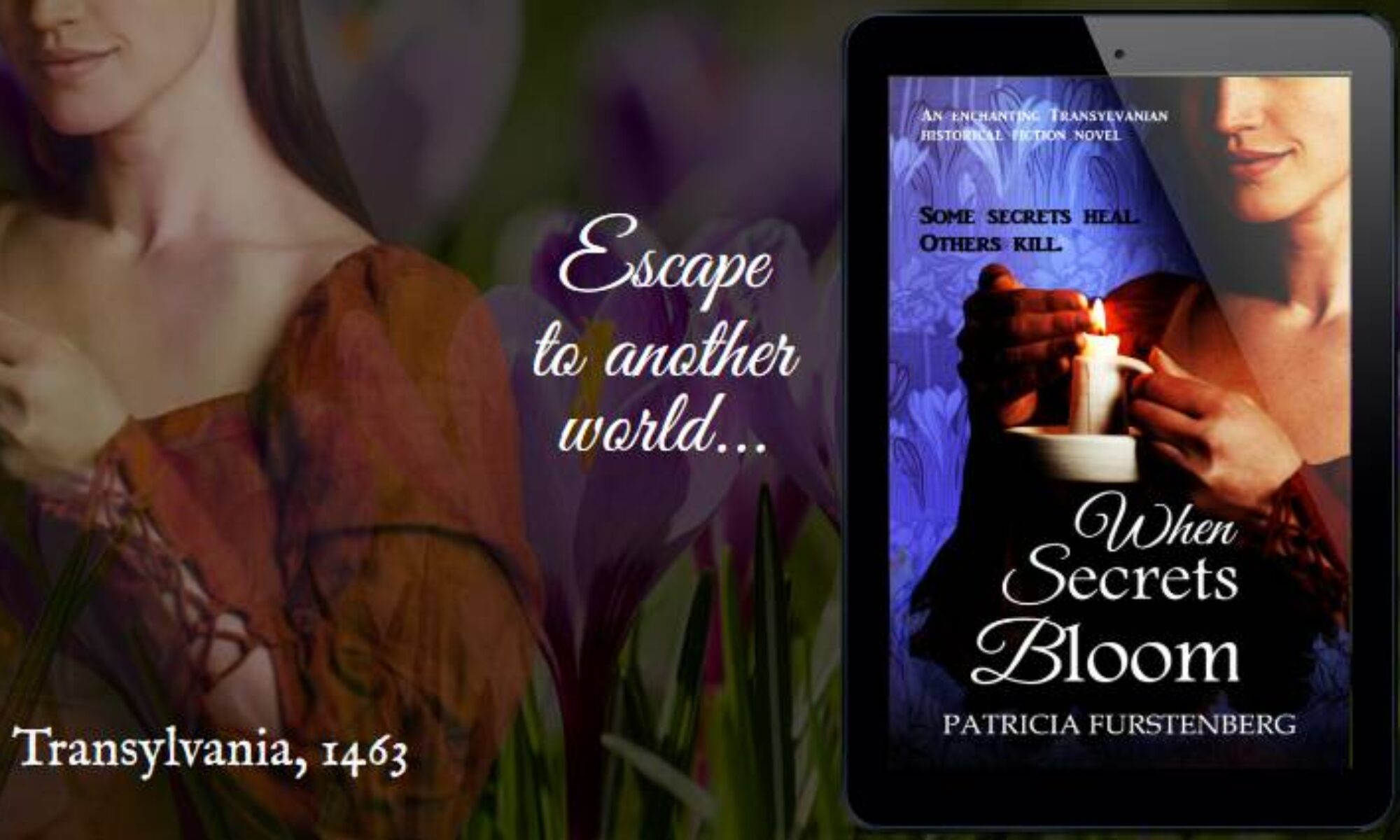
In the frost-bitten winters of 15th-century Transylvania the line between savior and sorceress could be drawn by a whisper. A woman might spend her days easing childbirth pains, binding wounds, or coaxing fevered children back from death only to face the stake by nightfall, accused of witchcraft.
This was the brutal paradox faced by countless women across medieval Europe and perhaps nowhere was it more stark than in the fortified towns of Transylvania, where Saxon, Vlach, Magyar, and Jewish communities shared the safety of walls, but not always trust. Here, a woman’s skill could make her indispensable and dangerous in equal measure.
Continue reading “Transylvanian Witches: from Popular Healers to Hunted Outcasts”