Following Vlad III in Moldavia and Transylvania: Exile and New Alliances, 1449–1456, Part 4

The years Vlad III spent in Moldavia and Transylvania, exiled, perhaps at the Edirne Ottoman court too, are the ones we now the least about-almost no records were left. These are the years that sparked my imagination writing the historical fiction saga Blood of Kings, Heart of Shadows.

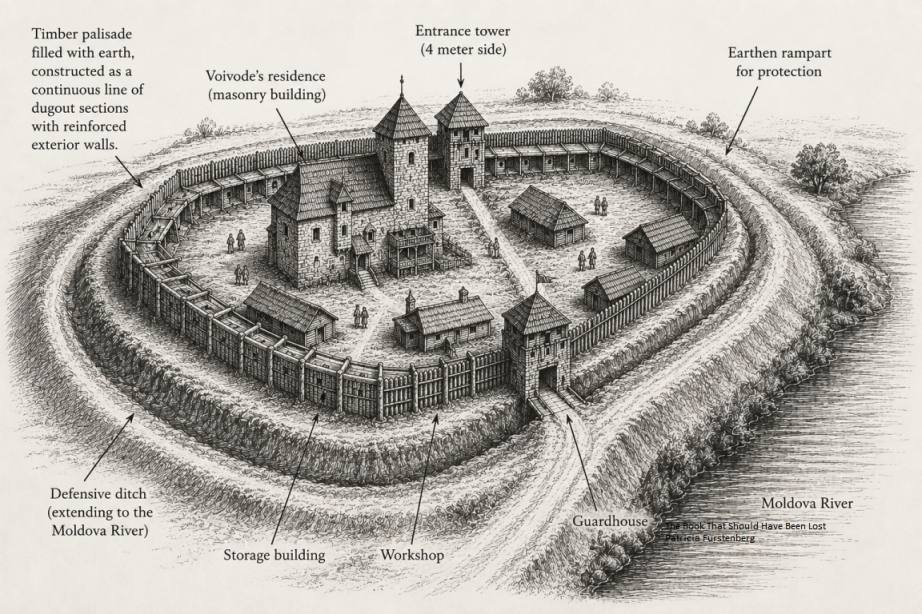
So what exactly do we know about the time Vlad III spent seeking refuge at the Ottoman court an then exiled at the Moldavia court and in Transylvania? He was not yet calling himself Vlad Dracula, and not yet called Vlad the Impaler either.

Continue reading “Following Vlad III in Moldavia and Transylvania: Exile and New Alliances, 1449–1456, Part 4”
Cover Reveal: The Book That Should Have Been Lost

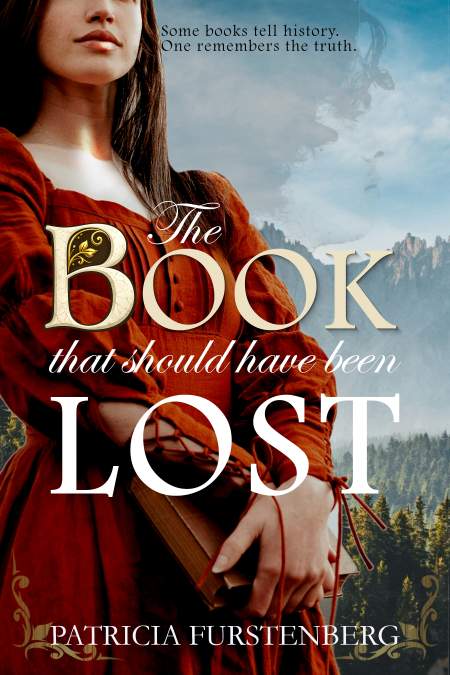
The Book That Should Have Been Lost

Over the moon to share with you the cover for my new novella The Book That Should Have Been Lost, another companion read to the Blood of Kings, Heart of Shadows historical fiction saga set in medieval Transylvania, Moldavia and Wallachia – today Romania, my birth country.

The Book That Should Have Been Lost – Some books tell history. One remembers the truth.

Continue reading “Cover Reveal: The Book That Should Have Been Lost”

Saxon Painting and its Hidden Language in When Secrets Bloom

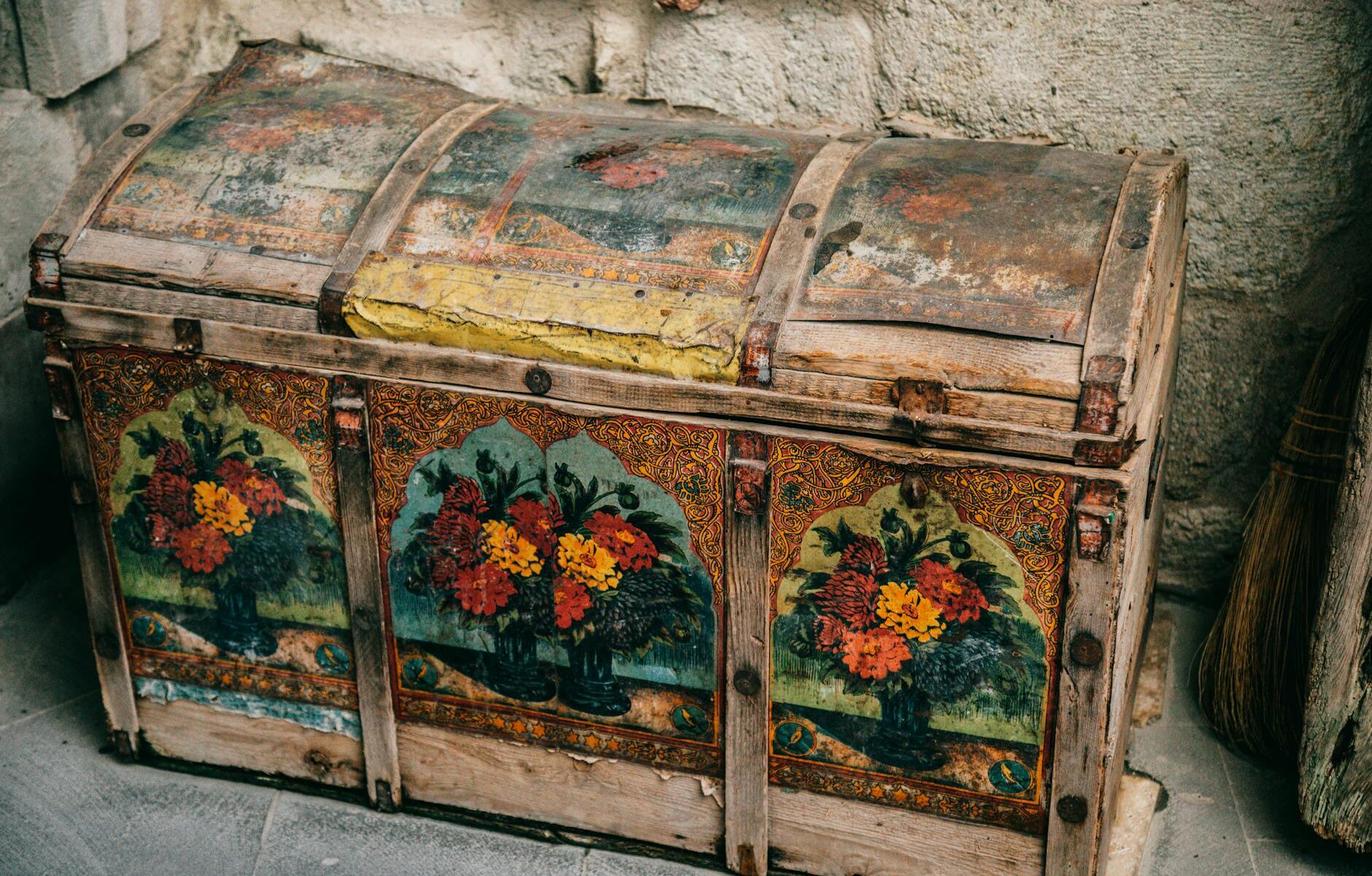
ornamental old chest on ground

In the Carpathian lands wood was never only material. It was a way of life, forest turned into geographical landmark (Transylvania, Trans-silva, the land beyond the forest). Wood was shelter and church, and then it became memory.

With the arrival of German Saxons in Transylvania during the middle of the 12th century, the craft tradition of painted furniture started out of with necessity before it became decoration. Colours arrived later, as an afterthought to survival.

And yet it is colour that outlived so much else.

In my novels When Secrets Bloom and Beneath the Snow I draw on this medieval Saxon tradition: not as background detail, but as silent architecture beneath the lives of my characters. Because painted wood is never passive. It tells as much as it remembers.

Continue reading “Saxon Painting and its Hidden Language in When Secrets Bloom”