
How to Use Humor in Historical Fiction With Three Examples from When Secrets Bloom

fluffy dog walking on a bridge over water

While I was writing When Secrets Bloom I fell in love with humor that’s cleverly used in historical fiction.

Humor has always been part of survival. In the harshest of times (for me that would be my childhood and teen years in communist Romania), wit becomes both shield and sword, a way to endure the unendurable. As one of my characters puts it:

‘You need to be more careful, Mo,’ she murmured, not unkindly. ‘This world’s got less mercy than a goose at Michaelmas—and you’re walking around like stuffing.

That kind of humor doesn’t trivialize fear. It grounds it. It makes emotion believable, action lifelike, and humanizes history. In this post I’ll share three moments from When Secrets Bloom where I deliberately used humor to deepen character, reveal cultural identity, and invite readers closer to the story.

Continue reading “How to Use Humor in Historical Fiction With Three Examples from When Secrets Bloom”

Quills and Quirks: Humor in Historical Fiction

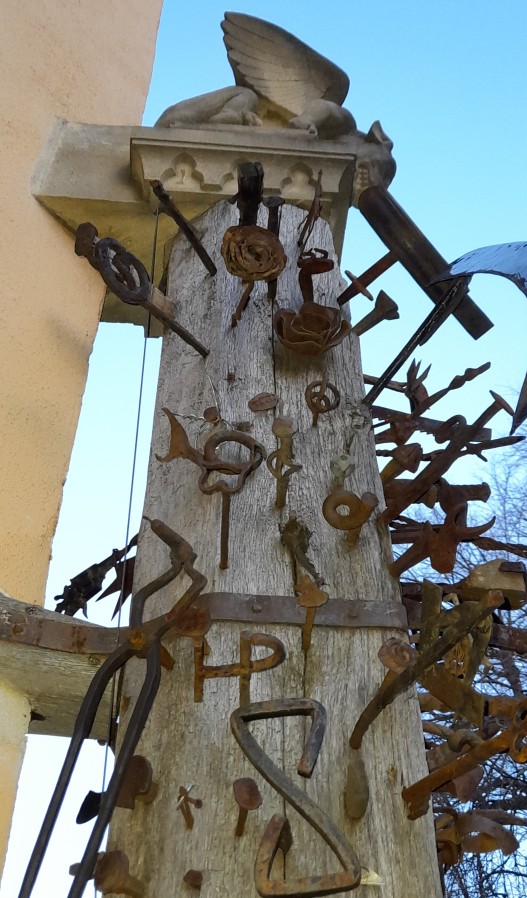
Casa Calfelor Sibiu, tools pillar, historical guilds

I wrote How Humor Finds a Voice in Historical Fiction for History Through Fiction, a historical fiction publisher, because writing my medieval novel When Secrets Bloom showed me that even in the past shadows’ laughter found a way to bloom.

Humor does more than entertain; it reveals the soul of a character; it gifts a moment of pause in a world of tension, and it builds a surprising bridge between reader and history. Far from softening the blows of the past, wit sharpens our understanding. In this piece, I explore, through examples, how a well-timed quip or a subtle smile can cast light on the darkest chapters, reminding us that even in the gravest of times the human spirit dared to laugh.

Continue reading “Quills and Quirks: Humor in Historical Fiction”