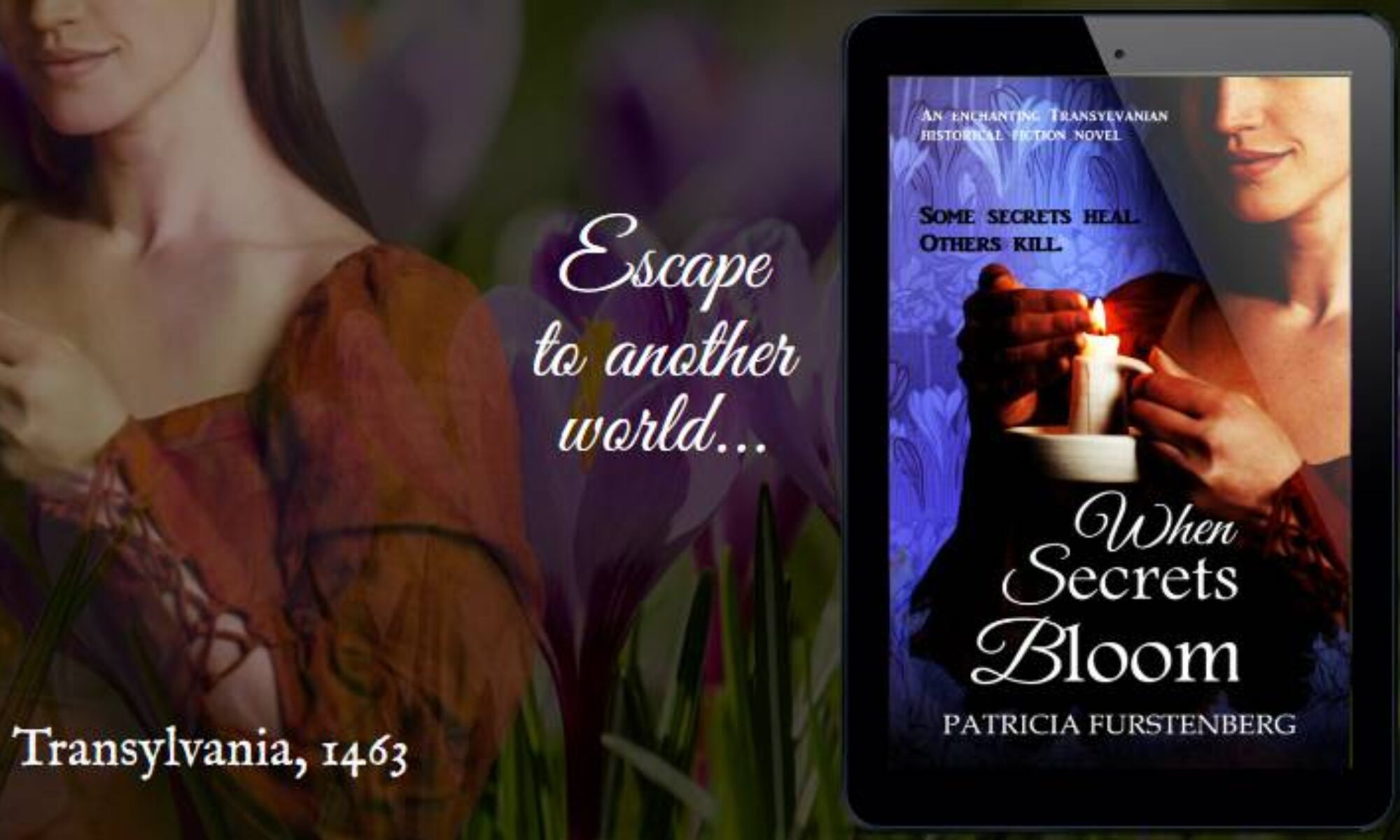
Transylvanian Witches: from Popular Healers to Hunted Outcasts

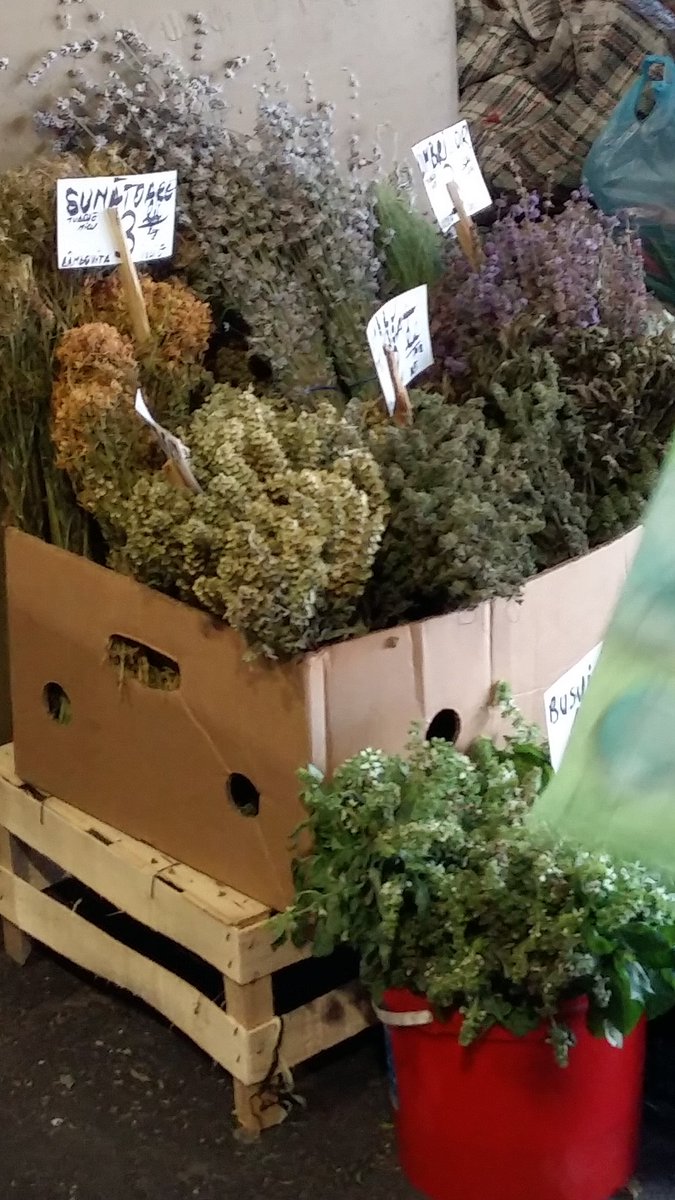
fragrant herbs Romanian folklore

In the frost-bitten winters of 15th-century Transylvania the line between savior and sorceress could be drawn by a whisper. A woman might spend her days easing childbirth pains, binding wounds, or coaxing fevered children back from death only to face the stake by nightfall, accused of witchcraft.

This was the brutal paradox faced by countless women across medieval Europe and perhaps nowhere was it more stark than in the fortified towns of Transylvania, where Saxon, Vlach, Magyar, and Jewish communities shared the safety of walls, but not always trust. Here, a woman’s skill could make her indispensable and dangerous in equal measure.

Continue reading “Transylvanian Witches: from Popular Healers to Hunted Outcasts”
How to Use Humor in Historical Fiction With Three Examples from When Secrets Bloom

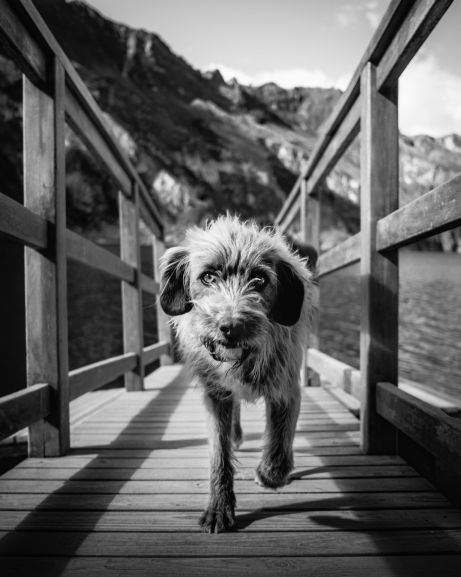
fluffy dog walking on a bridge over water

While I was writing When Secrets Bloom I fell in love with humor that’s cleverly used in historical fiction.

Humor has always been part of survival. In the harshest of times (for me that would be my childhood and teen years in communist Romania), wit becomes both shield and sword, a way to endure the unendurable. As one of my characters puts it:

‘You need to be more careful, Mo,’ she murmured, not unkindly. ‘This world’s got less mercy than a goose at Michaelmas—and you’re walking around like stuffing.‘

That kind of humor doesn’t trivialize fear. It grounds it. It makes emotion believable, action lifelike, and humanizes history. In this post I’ll share three moments from When Secrets Bloom where I deliberately used humor to deepen character, reveal cultural identity, and invite readers closer to the story.

Continue reading “How to Use Humor in Historical Fiction With Three Examples from When Secrets Bloom”