There are moments in history when the past reveals itself willingly to those who study it with patience and passion. One such arrived recently, when historical chemist researchers bent over three 500-year-old letters written by voivode Vlad III of Wallachia, the man the world remembers as Vlad the Impaler, or Vlad Drăculea, the Son of the Dragon.
Continue reading “Decoding History: Vlad Dracula’s Letters and Their Scientific Secrets”Vlad the Impaler and How Dracula’s Epic Shadow Was Made
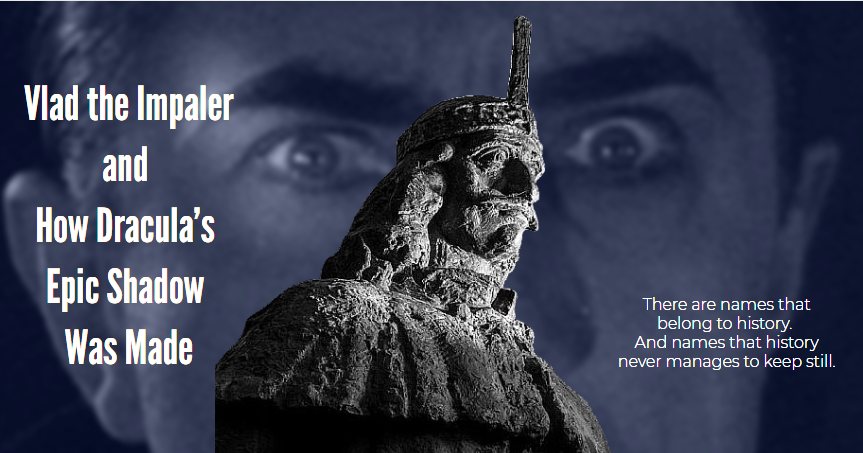
Long before Bram Stoker wrote Dracula there was Vlad the Impaler: voivode of Wallachia, enemy of the Ottomans, ruler feared as much for his punishments as for his political cunning.
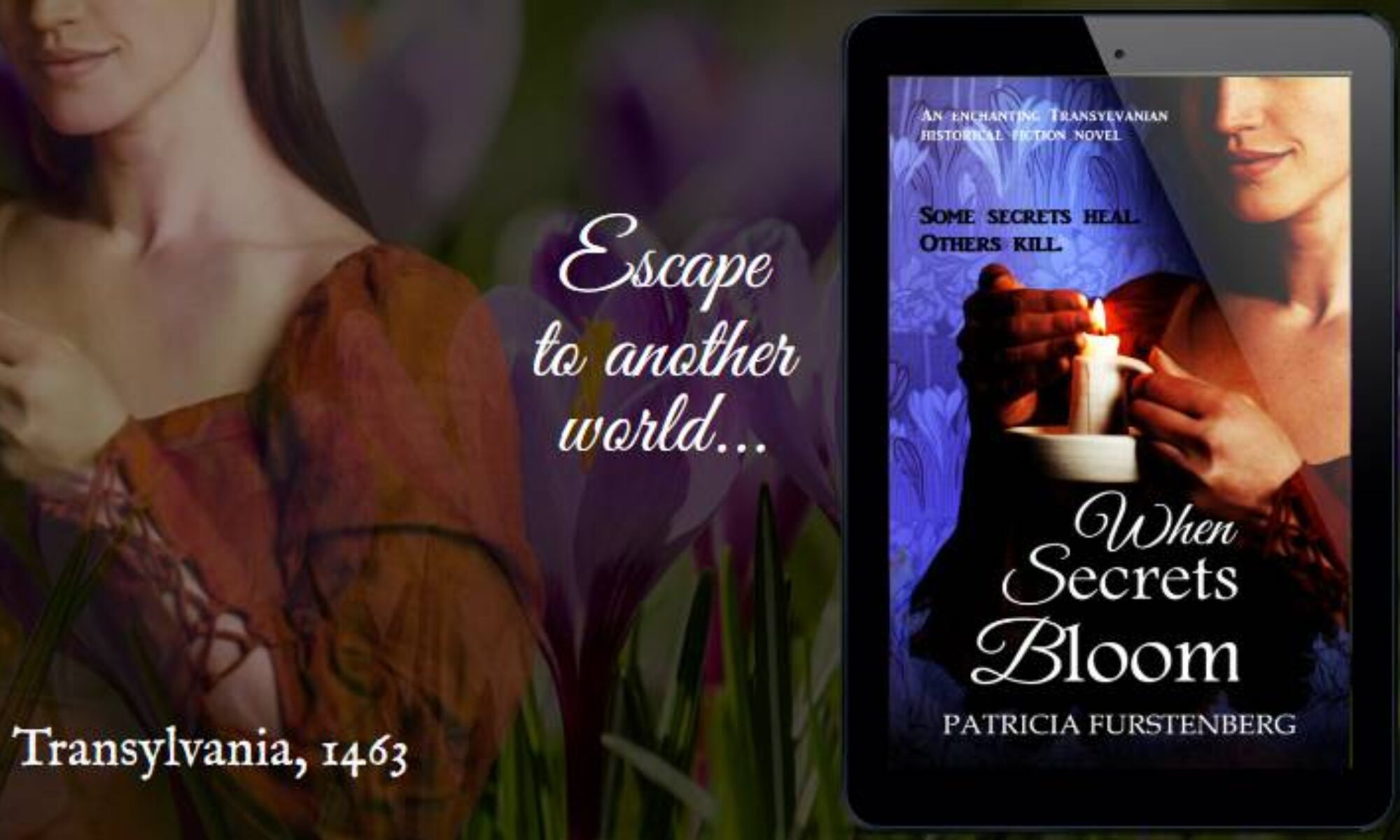
This is the Vlad who moves through the pages of When Secrets Bloom and Kate’s Letter, included in the Courage Anthology out 17 JUNE. Vlad the man, consumed by passions and hidden fears—not as a figure of legend already swallowed by bats and myth. A man still anchored in the hard geography of his own century.
Continue reading “Vlad the Impaler and How Dracula’s Epic Shadow Was Made”Real Places in Historical Fiction: Brașov in When Secrets Bloom
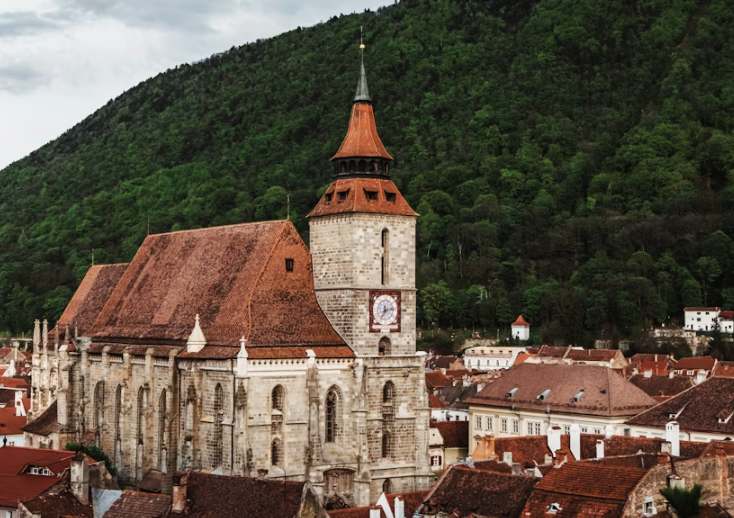
There are cities in Transylvania that do not simply sit on the map, they remember. They carry the sediment of centuries like bark around an old trunk. Brașov, know as Corona or Kronstadt in medieval times, is one of those places. In When Secrets Bloom Brașov does appear only as a backdrop. It breathes. It resists. It watches.
Because to write about a place is to write against forgetting.
Readers will discover Brașov as a setting in my story Kate’s Letter featured in our historical fiction anthology Courage: Tales of History, Mystery and Hope.
Continue reading “Real Places in Historical Fiction: Brașov in When Secrets Bloom”The Unique, Medieval Church of Sântămăria Orlea, Transylvania, Romania
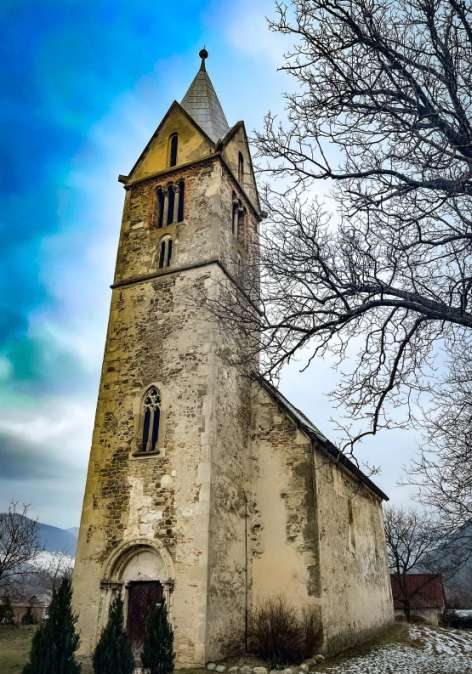
The road curled around the valley like a silk ribbon that time itself could have dropped. And maybe it did. It was up to me to pick it up and discover where it will lead.
Continue reading “The Unique, Medieval Church of Sântămăria Orlea, Transylvania, Romania”Why Red and White Became the Colors of Mărțișor on March 1st
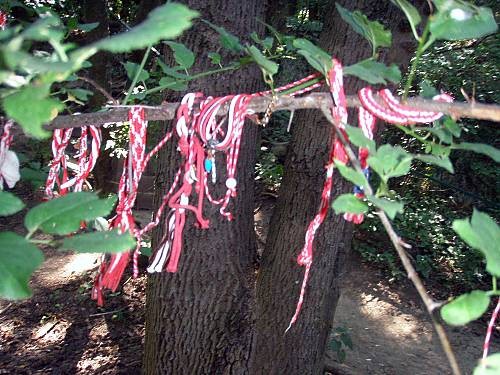
Red and white color my thoughts well ahead of 1st of March. In the Romanian tradition, on the first day of spring (in the Northern hemisphere), twined together, threads of red and white spring forward on Mărțișor day, quiet yet insistent. Unassumingly simple. Deceptively small. A charm no heavier than Spring’s first breath.
But red and white are never accidental. They’ve followed humanity across centuries and continents like faithful companions.
So why do red and white spell Spring?
Continue reading “Why Red and White Became the Colors of Mărțișor on March 1st”