We are creatures of imagination and we understand the world by telling stories about it. Before chronicles hardened into dates and rulers. Before ink fixed memory into law. Stories softened fear, explained loss, they gave shape to grief. In Transylvania, where mountains fold memory into stone and winter teaches patience, stories do not merely entertain. They endure.
The first unease that led me to dream of writing a novel like When Secrets Bloom did not arrive as plot or character. It came as an image. And as a question.
Brașov: where old maps hold secrets
I was walking through Brașov one winter, through streets that have borne many names and loyalties, when I learned something that unsettled me. Beneath the modern pavement water still flows exactly as it did centuries ago; hidden rooms echo of food supplies once stored there not for better, but for worse.
I discovered that old maps of the Saxon city show natural streams running downhill from the fortified noble district, through what is now Council Square, past the cattle market, and farther still toward the place once known as the witches’ lake. As the city modernised, these channels were covered, redirected, absorbed into stone. But the water never stopped. It was simply hidden.
That discovery lodged itself in my thoughts. A city built to defend itself from invasion. Quietly carrying its lifeblood beneath the surface.
What else, I wondered, had been diverted rather than erased?

15th century Kronstadt, a fortress held together by walls and rules
In 1463, Transylvania was a land held together by walls. And by fear. Kronstadt was fortified not only with stone, but with rules: about faith, trade, loyalty, and blood. The boundaries between Saxons, Székelys, Vlachs, and others were rigidly enforced. Marriages across caste or ethnicity were forbidden. Love, like knowledge, had borders. To cross them was not merely scandalous; it could be fatal.
It was here that I began to think of women. Women whose lives moved through those borders anyway. Especially healers, women whose knowledge was both necessary and suspect. They were called upon in childbirth, illness and death, yet lived under constant scrutiny. Their skills placed them at the margins of authority, tolerated in times of need and feared the moment something went wrong. Their names rarely survive in records. Their silence is not evidence of absence. It is evidence of erasure.
One such woman, unnamed in the archives, stayed with me. She appears only once, briefly, in a municipal account as paid for services rendered, then vanishes. No voice. No testimony. Just a transaction. Her knowledge mattered. Her life did not.
That silence troubled me. Deeply. It could not be filled with invention alone. It required the weight of history: the laws, the fears, the unspoken violence of the time, to be understood. This was not a story that could exist outside its century. It could only be told as historical fiction, because only history provides the pressure that shaped these lives.

When legends spill into real life
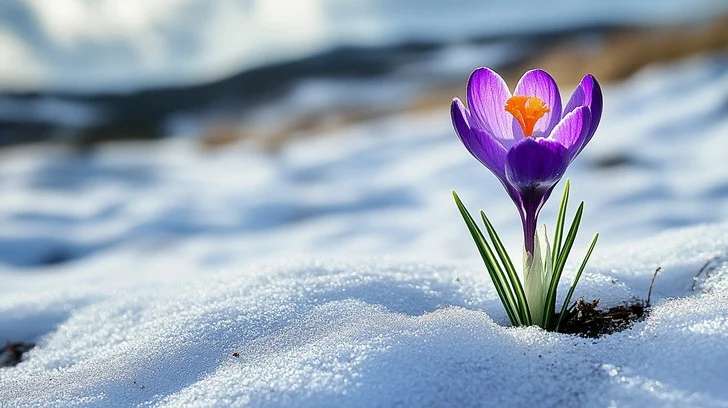
There is an old, quiet legend still told in the hills of Transylvania. It is spoken softly. Almost apologetically. Two sisters were separated; by fate, by cruelty, by the long mischance of the world. Though both sisters searched, through forests and markets, through seasons, they never found one another again. God, it is said, took pity. He turned them into crocuses. One blooms in spring, the other in autumn. Sister blossoms born of the same sorrow, rooted in longing. Growing close, yet never touching.
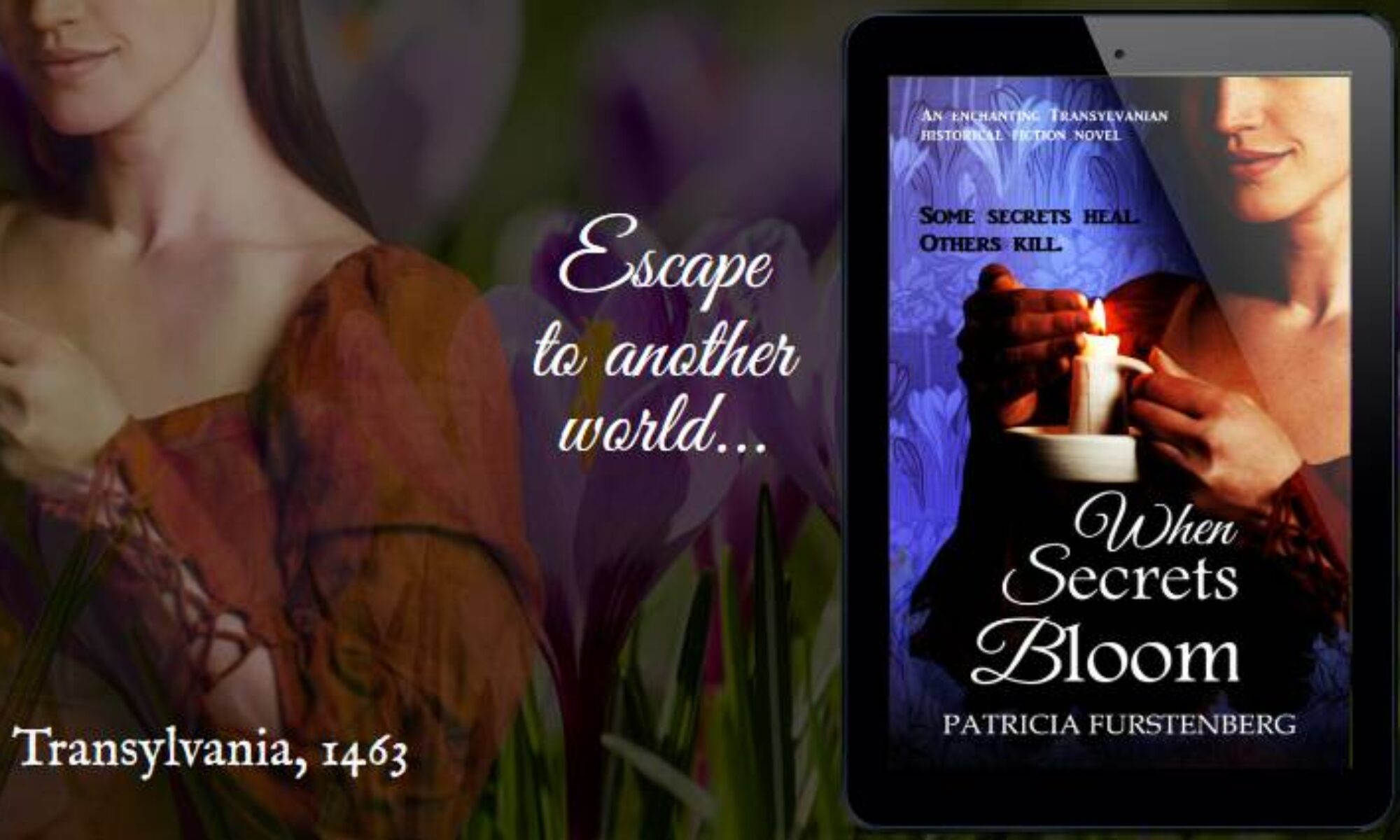
This legend became the symbolic heart of When Secrets Bloom. The crocus on the book’s cover is not decorative. It is a key. A sign. A whisper of all that is lost and all that might yet return.
Like the sister flowers, Kate, my protagonist, carries memory deep within her. And separation. Her past is strewn with silences, with absences that ache like bruises. She moves through the city much like the hidden water beneath it. Unseen. Diverted. Essential. Her knowledge allows her to survive, but it also marks her. In a world ruled by suspicion, even healing can become a crime.
In Transylvania, flowers have long spoken where words fall short. On the traditional ia (the Romanian blouse) floral motifs were never mere decoration. They told a woman’s story: golden threads for maidenhood, red for new brides, blue for mothers, black for mourning. Each bloom was chosen with care, worn over the chest like a whispered prayer. The crocus appears here too: small, persistent, embroidered by hands that knew both silence and strength.
That same language blooms in wood carvings. On the carved gates of Maramureș and the Székely Land, crocuses and tulips were carved for women, carnations for men. These gates marked more than property. They marked a crossing between the world outside and the sacred space of home, between hardship and love, between what was spoken and what was endured.

If history forgets, who remembers?
So standing there in winter, adding my muffled footsteps to those of countless generations before me, I found myself returning to that first question. If history forgets, who remembers?
When Secrets Bloom grew from that unease. From buried waterways and forbidden unions. From forgotten women whose lives shaped their communities even as their names disappeared. Like the crocus, this story does not shout. It waits. It remembers. And when the ground finally thaws, it blooms, answering in its own quiet way, this question history so often leaves behind.
Many thanks for sharing your inspirations, Patricia. It’s fascinating to think of the waters till flowing beneath the town, hidden and forgotten by history, like those nameless women to whom you gave an identity in ‘When Secrets Bloom: along with the crocus of the legend. Marvellous.
There are so many threads that weave a story, isn’t it, Laura. Unpacking them is just as fascinating as weaving them, mostly unconsciously, in the first place 🙂 Thank you for visiting.
It sounds like a captivating story, Patricia. You are doing such an amazing work putting into writing all your findings, mixing history and fiction to create your own stories, it’s fascinating!