
We are lucky each winter to spot so many colorful birds in our garden, to have it turn into a theater of feathers and folklore. There are brilliant flashes of color, bold intruders strutting like conquerors, and quite a few picturesque personalities.
I am so happy to share with you not simply a list of birds, but a procession. And each one arrives with a story. Find more African birds and their legends here.
Red-billed Woodhoopoe Bird – gregarious
Red Billed Wood Hoopoe and Thrush birds feeding side by side: long beak vs short beak
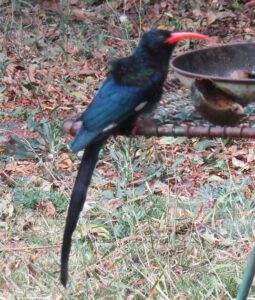
Glossy, iridescent, and perpetually busy, the red-billed woodhoopoe works the bark with its long curved beak, probing for insects hidden deep within. Watching it beside a thrush—short beak versus long—is a study in adaptation. Two strategies. Two designs. Both effective.
Grey Go-Away Bird or the Grey Lourie Bird, KWEvoël in Afrikaans – cantankerous
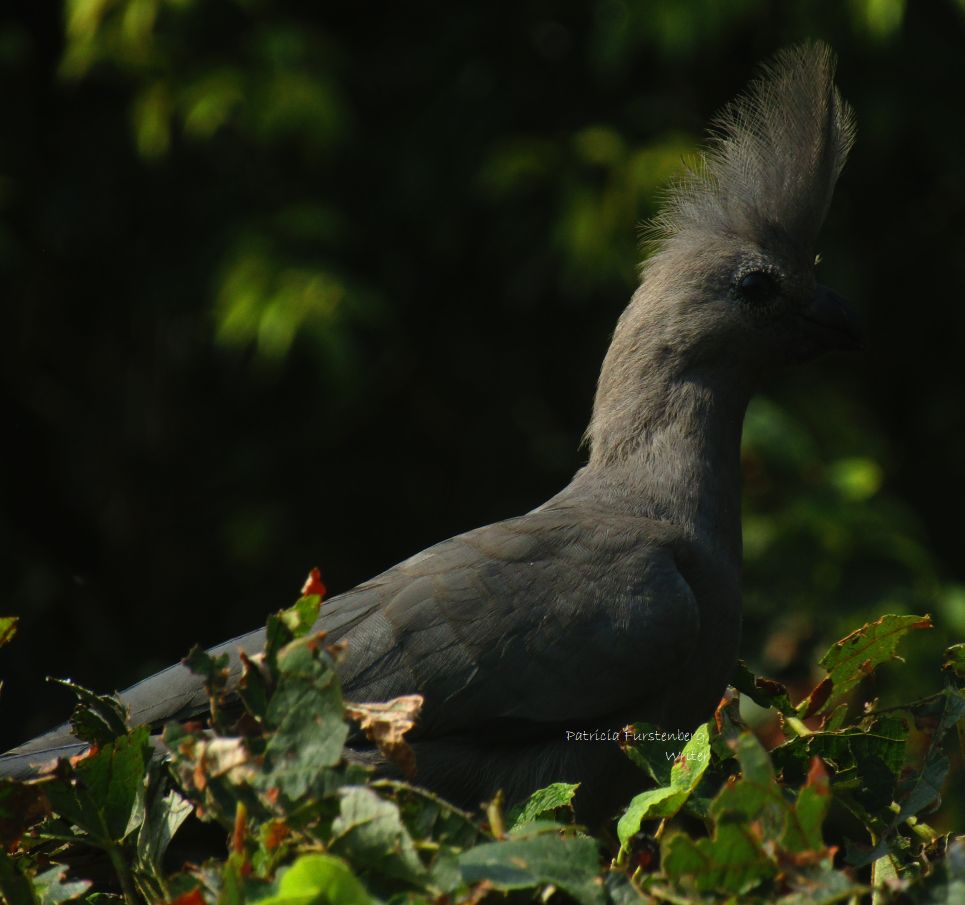
“KWEvoël” by its Afrikaans name mimics its call a sharp, complaining quaaaay! It is a bird that sounds as though it is scolding the world. Hence the English name: Go-Away Bird.
Go-Away Bird eating grapes straight from the vineyard
In African folklore, this ash-grey sentinel is known as Kwadira. When it cries sharply from the treetops, elders say it warns of lurking tokoloshes and restless spirits. A guardian in plain plumage. A watchman among the vines. And yet, despite its ominous reputation, it steals grapes with unapologetic delight.
Southern Boubou Bird – secretive
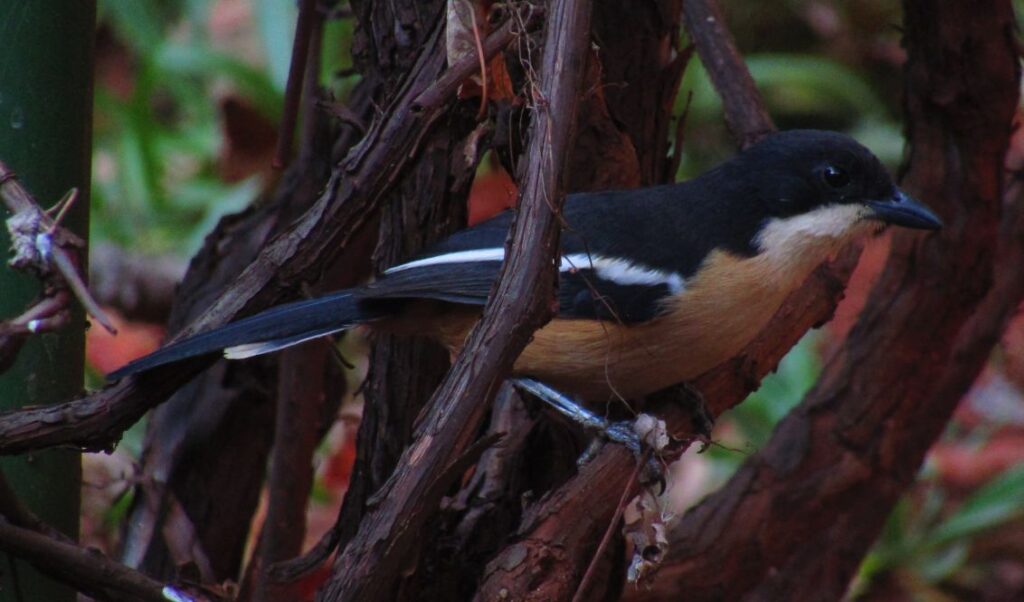
I love this plump, dark-backed bushshrike with a creamy throat; buff-rufous flanks, thighs and belly; and a striking white slash on her wing.
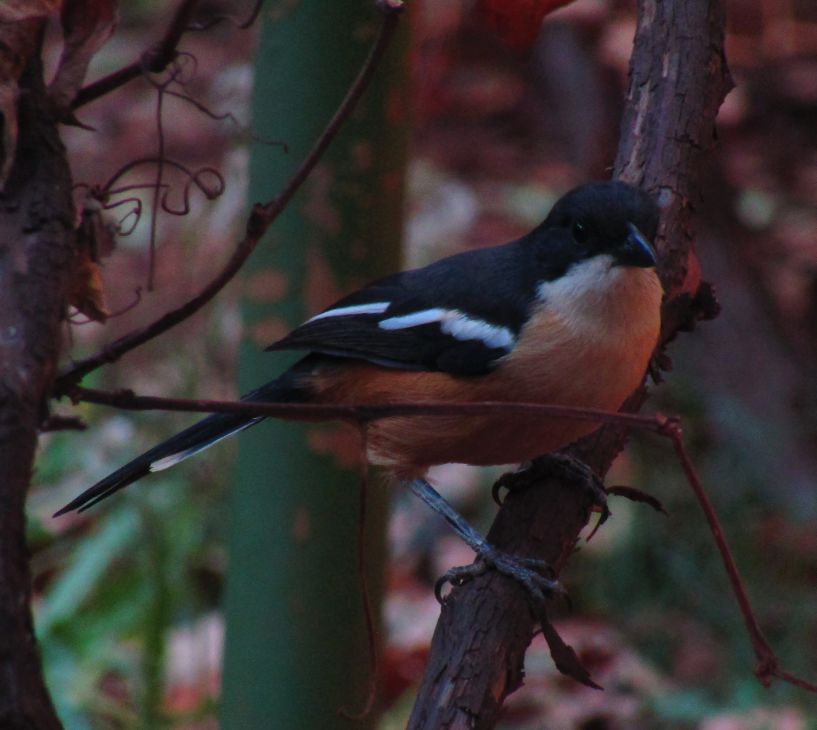
There’s only one in our yard. Maybe Spring will bring her a friend. She moves like a secret through the bushes, never still, never careless. The white stripe on her dark wing catches the light for a moment, then vanishes.
In local lore, her position foretells the weather. If she calls from beneath a bush, rain approaches. If she perches high in a tree, fair skies are expected.
Plump Southern boubou with a creamy throat and a striking white stripe on the dark wing:
Common Myna or Indian Myna Bird – brazen
One mynah is bad luck, they say. It foretells loneliness.
Two mynahs promise steadfast companionship.
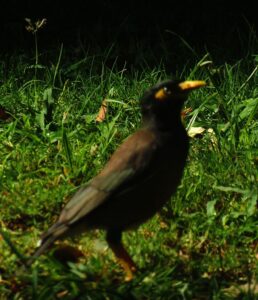
They do not care for sharing the spotlight.
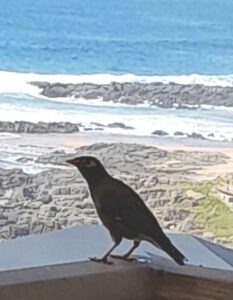
Introduced to South Africa around 1900 in Natal to control cane beetles and locusts, this clever bird has since become an invasive force—adaptable, assertive, thriving in cities and gardens alike. A survivor. An usurper.
Myna bird chirping on Durban Coast, by the Indian Ocean:
If superstition is right, perhaps I should hope to see two next time.
Hadeda Ibis Bird – regal
These are the dragons of the garden.
An adult can weigh up to 1.2 kilograms, and when they lift into flight at dawn their cry shatters the stillness—three to four piercing notes that seem to rip the sky open.
Hiding behind rusty grape leaves, peeking at a Hadada ibis bird on the roof, in Autumn
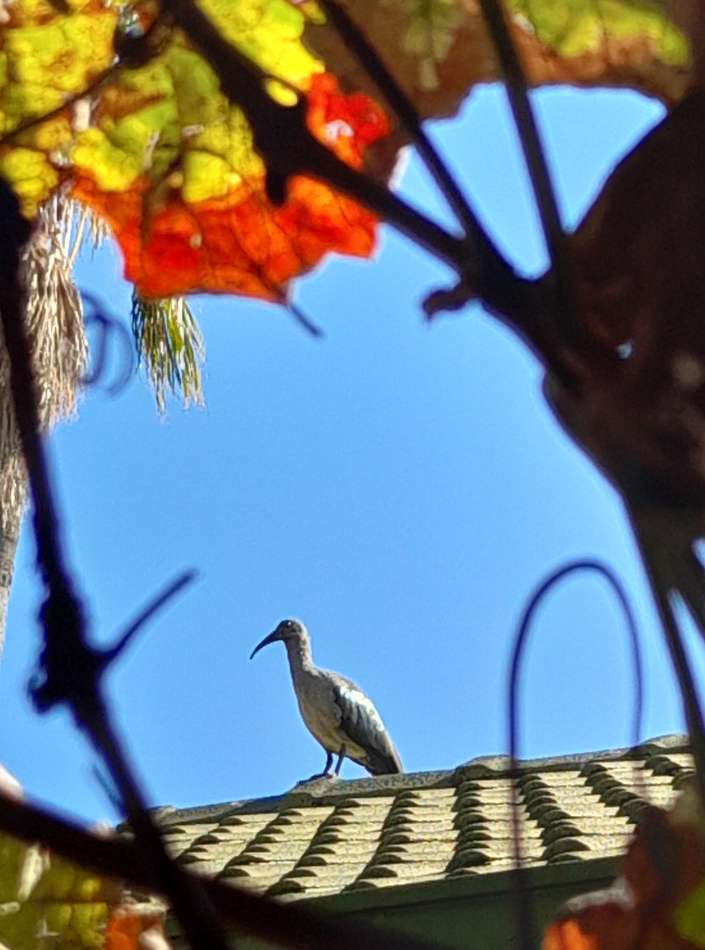
It is named for its loud three to four note calls uttered in flight especially in the mornings and evenings when they fly out or return to their roost trees. But urban legend says a hadeda makes its grating call because it is terrified of flying.
They are opportunistic birds. If they get hold of readily available food (such as dog food) they will camp in your yard…
Noisy. Majestic. Impossible to ignore.
African Hoopoe Bird – inquisitive
A cinnamon beauty crowned with a fan of feathers like a warrior’s headdress.
Hoopoe eating a worm:
Known as ngomfi in local belief, this bird is said to herald the arrival of an important visitor—one who brings prosperity. When its soft “hoop-hoop, hoop-hoop” echoes through the bush, one listens.
There is something regal in the way it probes the soil. Purposeful. Patient.
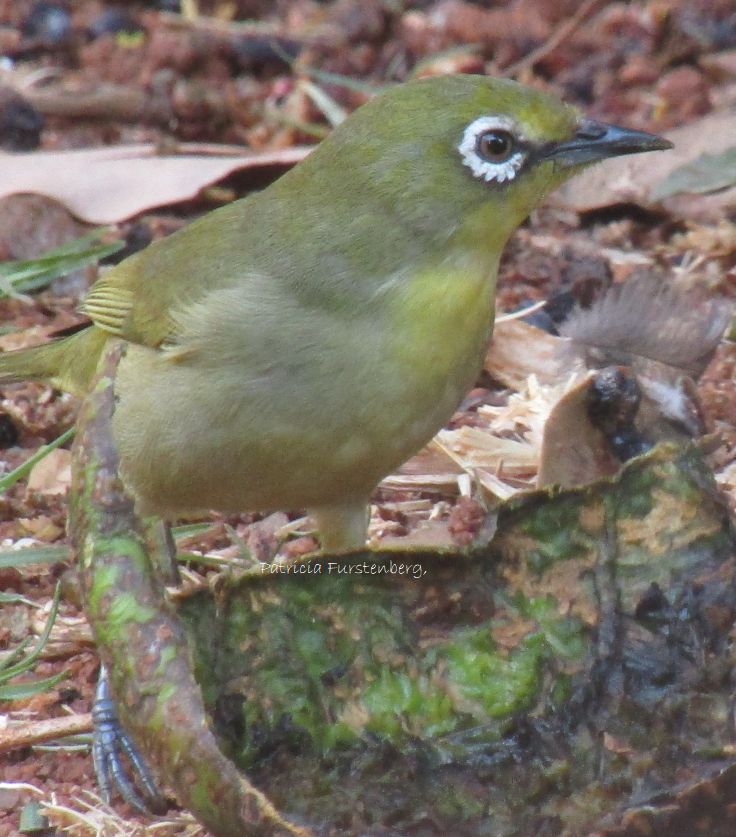
Cape White-eye Bird – restless
A flicker of olive and white.
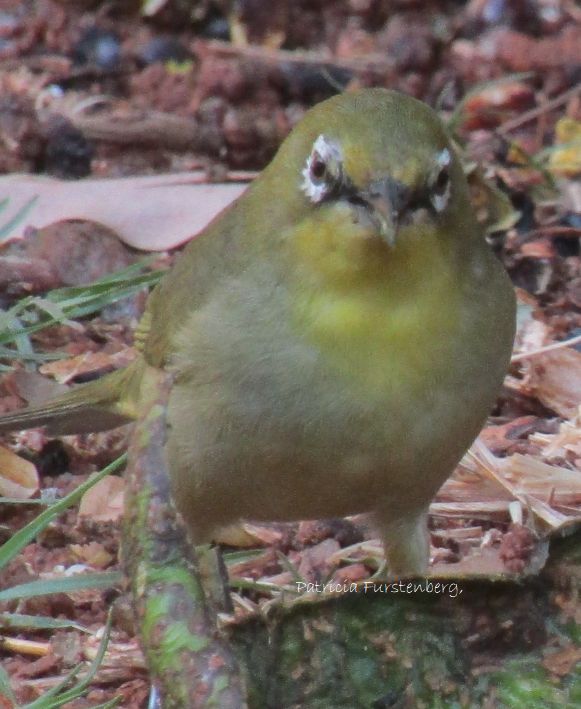
Quick. Restless. Sociable. They arrive in small parties, stitching invisible threads between branches.
Thick-billed Weaver Bird – territorial
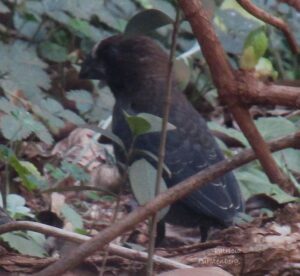
Architects of grass and patience, weavers turn reeds into cradles. Even in winter they inspect, test, and fuss, as though the next generation depends on diligence alone.
Birds with curved bills like to pause and assess before acting. They use their beaks like tweezers or chopsticks): to reach into narrow spaces, extract food, or handle prey with precision. For this reason they look awkward when they eat, feeding in a focused manner.
Birds with short, stout bills feed more directly. They pick at seeds or food found in open spaces, often in groups. They move quickly between feeding and social interaction, calling frequently and remaining close to others of their kind.
Across many African traditions, birds are seen as the pinnacle of existence. After seven cycles of rebirth — whether as human or beast — the soul may finally rise as a bird. Allied with the sky, the earth, and the water: the avian being embodies freedom itself.
Perhaps that is why they draw us so completely.
They descend into our gardens, flash their colours, cry their warnings, steal our grapes, test our patience. And then rise again into the open sky, leaving us looking upward long after they have gone.