There are courts that glitter and courts that conceal. In the long shadow of Restoration England, the line between the two grows dangerously thin. Beneath silk and ceremony, beneath measured speech and carefully maintained appearances, the past does not remain buried. It waits. But when truth threatens the stability of power, is it allowed to emerge fully… or only tolerated in fragments?
Elizabeth St John lends her voice to our historical fiction anthology Courage: Tales of History, Mystery and Hope.
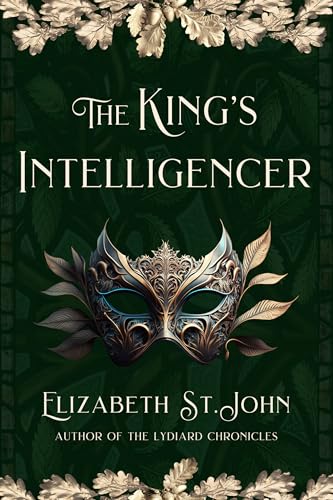
Historical novel The King’s Intelligencer by Elizabeth St John is set in 1674 London, where history itself seems to stir in the dark. The discovery of children’s bones within the Tower of London awakens not only public unease but a deeper, older question, one that has lingered for decades: what truly happened to the lost princes?
Into this unsettled atmosphere steps Franny Apsley, a woman positioned close enough to observe, yet never fully permitted to act without consequence. Bound by loyalty to Lady Mary Stuart, she finds herself drawn into an investigation that is as politically sensitive as it is morally complex. What begins as curiosity becomes necessity, and what follows is a navigation of truth in a world that punishes its revelation.
St John constructs her narrative with precision. The Restoration court is not only described but inhabited. Every exchange carries subtext; every relationship is shaped by constraint. Alliances are temporary, trust is conditional, and even the most casual remark may conceal intent. The mystery unfolds not through spectacle, but through accumulation: detail upon detail, suspicion upon suspicion, until the reader is no longer observing the court but moving within it.
What is particularly striking is the novel’s exploration of power: not as something overt, but as something manipulated and sustained through silence. Influence operates in shadowed corridors, through whispered instructions and carefully maintained appearances. The monarchy’s grandeur, so visible on the surface, is revealed to rest upon fragile foundations — financial, political, s well as moral. Debt, both literal and figurative, underpins the elegance on display reminding us that power often survives through imbalance.
Franny herself becomes a study in quiet resilience. Her pursuit of truth is not driven by ambition but by a deep sense of responsibility. Yet even as she moves closer to understanding she is reminded that some truths are guarded not only by secrecy, but by force, and that knowledge in such a world is never without risk.
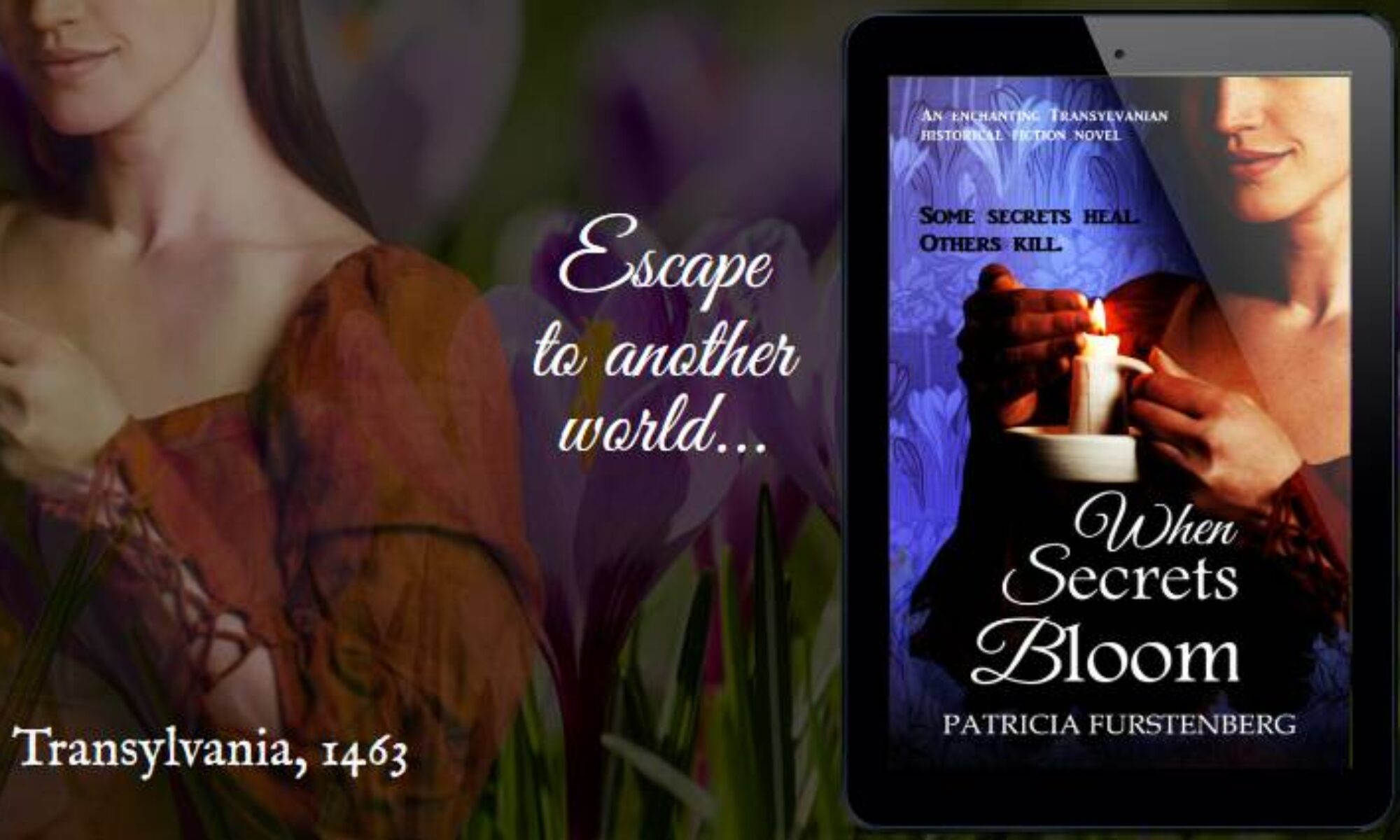
This tension between revelation and restraint echoes throughout my own work in When Secrets Bloom, where what is hidden does not simply disappear, it shapes the lives of those who unknowingly carry it forward. Across centuries and settings, the question remains: who decides what is allowed to be known?
The King’s Intelligencer stands as a finely wrought piece of historical fiction, immersive, intelligent, and compelling. It does not rush its revelations, nor does it simplify its characters. Instead, it invites the reader to persist, to observe, and to question.
So I leave you with this to ponder as you read this novel: when truth threatens the stability of power, is it ever truly allowed to emerge… or only tolerated in fragments?
Buy Links: Amazon US / Amazon UK
Elizabeth St.John’s critically acclaimed historical fiction novels tell the stories of her ancestors: extraordinary women whose intriguing kinship with England’s kings and queens brings an intimately unique perspective to Medieval, Tudor, and Stuart times.
#HistoricalFiction #RestorationEngland #BookReview #TuesdayBookBlog
Thanks for the lovely review, Patricia. It was great fun (and sometimes overwhelming!) to uncover all those layers of subterfuge and mystery and then put them back together in a novel.
With great pleasure, Elizabeth. I had a great time reading “The King’s Intelligencer.
I agree entirely, there’s a particular pleasure in unpicking layers of secrecy and then weaving them back into something that feels new. I’ve enjoyed myself digging out unknown bits of hidden truths about Transylvania’s history and even Vlad the Impaler, and shift them beneath the surface of When Secrets Bloom.
It can be overwhelming at times, like you said, but also deeply satisfying, like working through a puzzle that refuses to stay still. 🙂
I love all Elizabeth’s books but this one was especially absorbing. Elizabeth is an exceptionally talented teller of tales – many of which are based on the history of her own ancestors. (I confess, I’m in awe of her!)
Yes, Elizabeth is such a talented writer 🙂 There’s something especially compelling when a story feels rooted in lived history as well as imagination. I’m glad this one held your attention so completely. I enjoyed my time with it.
I used to enjoy reading about the Restoration, Patricia, and the subject matter here adds the extra intrigue of mystery via the Princes in the Tower. Many thanks for sharing your review, and best of luck to Elizabeth with it.
Always a pleasure reading your comments, Laura. Thank you 🙂
Yes, that dramatic shift in the Restauration era certainly contributed to its charm.