Where Did Vlad the Impaler Live? Part 1: Sighișoara, Târgoviște, Gallipoli, and Eğrigöz

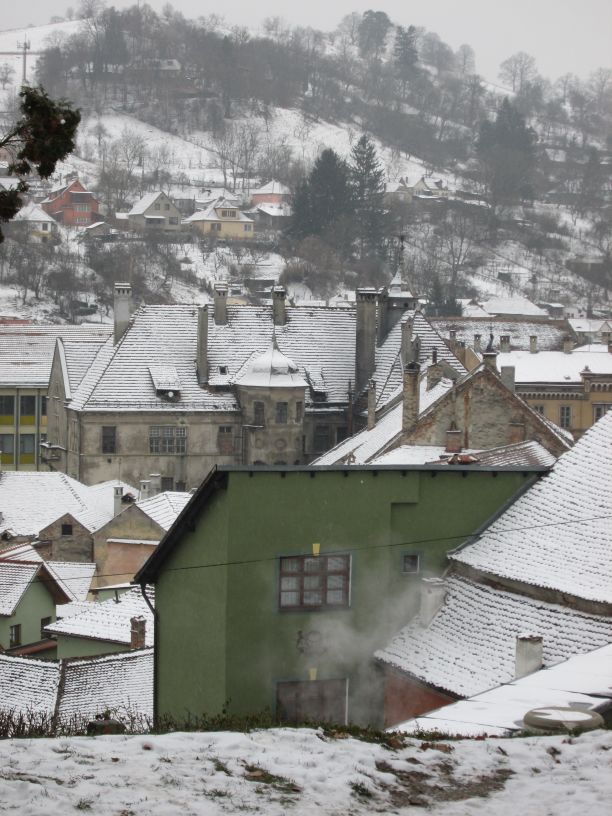
Following young Vlad Dracula through 15th century Transylvania and Wallachia to: Sighișoara, Târgoviște, Gallipoli and Eğrigöz.

When we picture Vlad the Impaler, or Vlad Dracula, we tend to picture him in a castle: dark stone, narrow windows, a throne, perhaps the mountains rising behind him. Vlad did not spend his life in one castle, one principality, or even one political world. Not even on one continent.

To follow Vlad’s life is to follow a landscape of shifting power: Târgoviște, the princely capital; Transylvania and its fortified towns; the roads crossing the Carpathians; the Ottoman world where he was held hostage; the Hungarian royal court; and, eventually, the battlefields and forests through which he fought his way, always back to Wallachia.

Each left something behind: a language, an allegiance, a military lesson, a memory of captivity, or an enemy who would later become an ally.

Continue reading “Where Did Vlad the Impaler Live? Part 1: Sighișoara, Târgoviște, Gallipoli, and Eğrigöz”


Saxon Painting and its Hidden Language in When Secrets Bloom

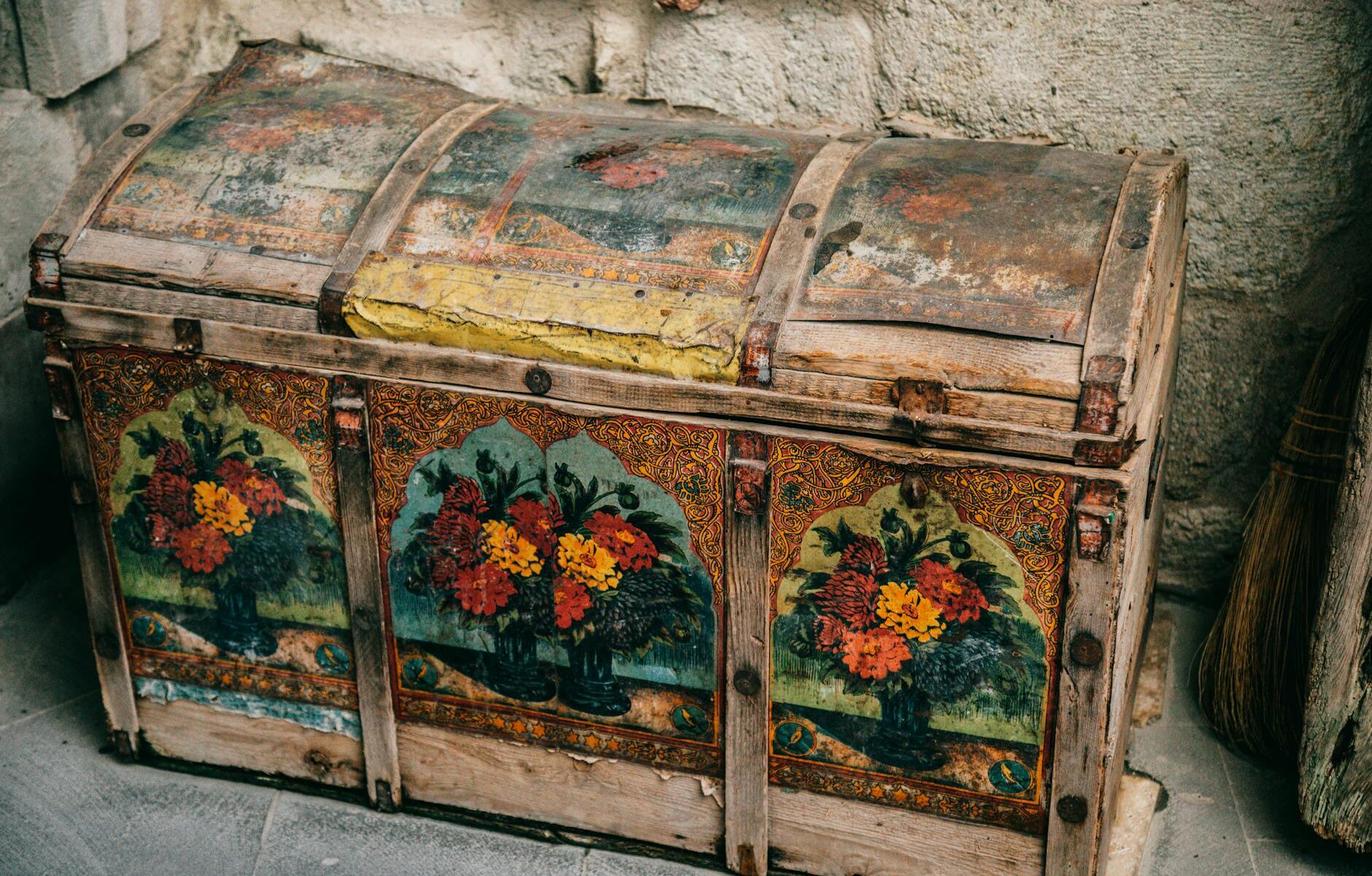
ornamental old chest on ground

In the Carpathian lands wood was never only material. It was a way of life, forest turned into geographical landmark (Transylvania, Trans-silva, the land beyond the forest). Wood was shelter and church, and then it became memory.

With the arrival of German Saxons in Transylvania during the middle of the 12th century, the craft tradition of painted furniture started out of with necessity before it became decoration. Colours arrived later, as an afterthought to survival.

And yet it is colour that outlived so much else.

In my novels When Secrets Bloom and Beneath the Snow I draw on this medieval Saxon tradition: not as background detail, but as silent architecture beneath the lives of my characters. Because painted wood is never passive. It tells as much as it remembers.

Continue reading “Saxon Painting and its Hidden Language in When Secrets Bloom”