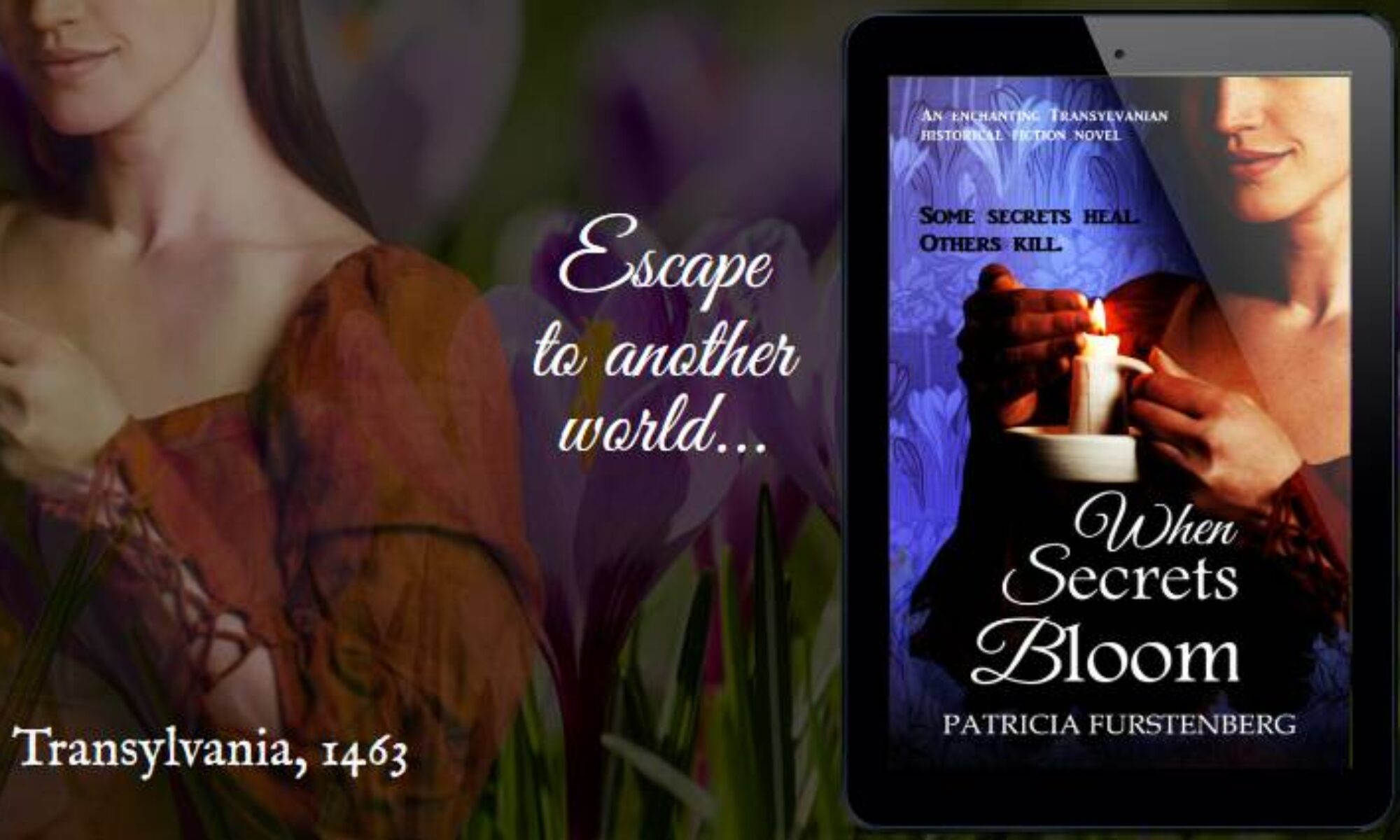
I’ve been exploring a remarkable group of historical voices lately – ahead of a new anthology – and discovered what lies beneath quiet surfaces. Power rarely arrives gently. More often it is forced into unwilling hands demanding a price long before it grants authority. But, when survival demands transformation, when does need become something else entirely?
Our historical fiction anthology Courage: Tales of History, Mystery and Hope features a compelling contribution from Judith Arnopp.
This week’s feature, Marguerite: Hell Hath No Fury: The Story of Marguerite of Anjou by Judith Arnopp, is a study of transformation; not of a queen crowned, but of a woman changed under great pressure.
Margaret of Anjou is marked from the moment she steps onto English soil: she is foreign and therefor politically expandable. Arnopp introduce her as a girl displaced: seasick and acutely aware of her own inadequacy within a court that measures worth in influence, not intention. It is a deliberate choice and an effective one. By grounding Marguerite in vulnerability, the novel ensures that every subsequent act of resolve carries weight.
But hesitation has no currency in a fractured kingdom. With Henry VI of England retreating into instability, authority becomes something to be contested rather than inherited. Denied legitimacy, Marguerite is forced into opposition, most notably against Richard, Duke of York. His ambitions help fracture the realm and ignite the Wars of the Roses. What follows is not a graceful ascent, but a hardening.
Arnopp handles this evolution with a cool head. Marguerite’s transformation is neither romanticised nor simplified. It is shaped by constraint, sharpened by necessity, and driven by a singular objective: securing the future of her son, Edward of Westminster. The cost of that pursuit is never obscured. Each decision narrows the path ahead until power becomes indistinguishable from survival.
This is where the novel asserts its strength. It does not ask the reader to admire Marguerite, nor to condemn her. It asks something more: to understand her.
It is a narrative approach that resonates with my own work in When Secrets Bloom, where identity is not fixed but altered by circumstance, memory, and the pressures of societal expectations. In both cases, what defines a woman’s life is not the role imposed to her, but her response to it.
Arnopp’s novel stands as a deliberate and unsentimental portrayal of power under strain. It reminds us that history does not preserve its figures in purity. Rather records them in conflict.
As you read Marguerite: Hell Hath No Fury: The Story of Marguerite of Anjou, ask yourself: when survival demands transformation, at what point does need become something else entirely?
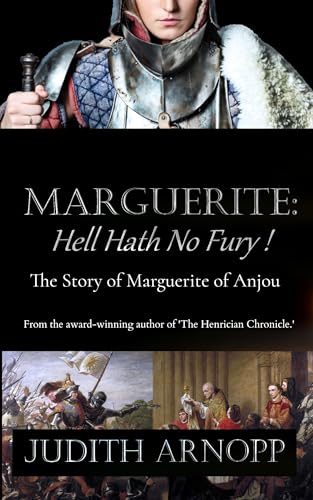
Judith Arnopp‘s novels are set during the War of the Roses and the Tudor era. They focus on women like Margaret Beaufort, Anne Neville, Elizabeth of York, Anne Boleyn, and Mary Tudor. She has a Master’s degree in medieval studies and a BA in English and creative writing from the University of Wales, making Historical Fiction the only obvious career choice.
#HistoricalFiction #WomensHistory #BookReview #TuesdayBookBlog
Beneath Quiet Surfaces, Survival and Transformation
This sounds very interesting, Patricia. It was very dangerous for people in the courts at this time. They lived or died on a whim of an arrogant and bloated monarch.
It was, and the danger rarely announced itself. Court life was less about serving a crown and more about surviving the shifting ground. A misplaced loyalty or a word spoken too soon and that was it.
Thank you for visiting 🙂
I am excited to explore this book and the authors writings as these are favorite historical periods for me. I have always been amazed at the truly remarkable life of Marguerite of Anjou.
History holds so many examples of strong women 🙂 I hope you will enjoy the read, Alison.
I appreciate you sharing your thoughts.
I love the history of these isles, and this is a particularly interesting period which I could read more about. Thanks for sharing, Patricia. 🙂
For sure, Laura.mediev medieval times were certainly not boring at all, no matter where one looks 🙂
They were very ‘active’ times, Patricia, and I think I prefer reading about them to living in them! 🙂
There are a several eras of history that are almost blank pages to me – so much for a (useless!) history teacher when I was at school – the only thing I remember her telling us about is the Spinning Jenny, and that’s only because I thought she meant a female donkey going round and round! So, good fiction, written by a good author about these huge blanks is always welcome. This title I enjoyed and I’m currently working my way through Judith’s series (on book two about Margaret Beaufort at the moment)
I know even less of it, Helen. Our history lessons were focused on Eastern Europe. Some on Germany because of the world wars. France because of Romania being francophone. The British Islands even less so. So any history well told is in my radar. And this one, as well as the books I review in this series, are beautifully told.
Thank you for stopping by. 🙂
It’s an incredible novel about a woman vilified in history, for doing what she thought most important – protect her husband and son. It must have cost the real Marguerite so much energy. Judith has given her a voice that portrays her struggles cleverly, but with enough emotion for readers to feel for Marguerite.
Yes, that was precisely what drew me to Marguerite in this story, seeing not the villain history remembered, but the woman beneath it all. I could feel the weight of her choices. Thank you for commenting Cathie 🙂
Judith Arnopp has a rare gift of combining detailed research with imaginative prose, so when we read her novels, we really inhabit her characters (took me AGES to get rid of Henry VIII, thank you very much!). This book does not disappoint – a wonderful introduction to Marguerite of Anjou.
Thank you for your thoughtful comment. I loved Judith’s writing here. That same “effortless” blend of careful research and imaginative storytelling is exactly what I strive for in my own writing.